
Packing Your Personal Effects for International Moving
Packing personal effects for an international move is different from packing for a local move. Your boxes may be handled multiple times — loaded into a truck, warehouse, container, vessel, destination terminal, and delivery vehicle — before arriving at your new home. Proper packing protects your belongings, helps with customs clearance, and keeps the move organized.

Recommended Moving Boxes
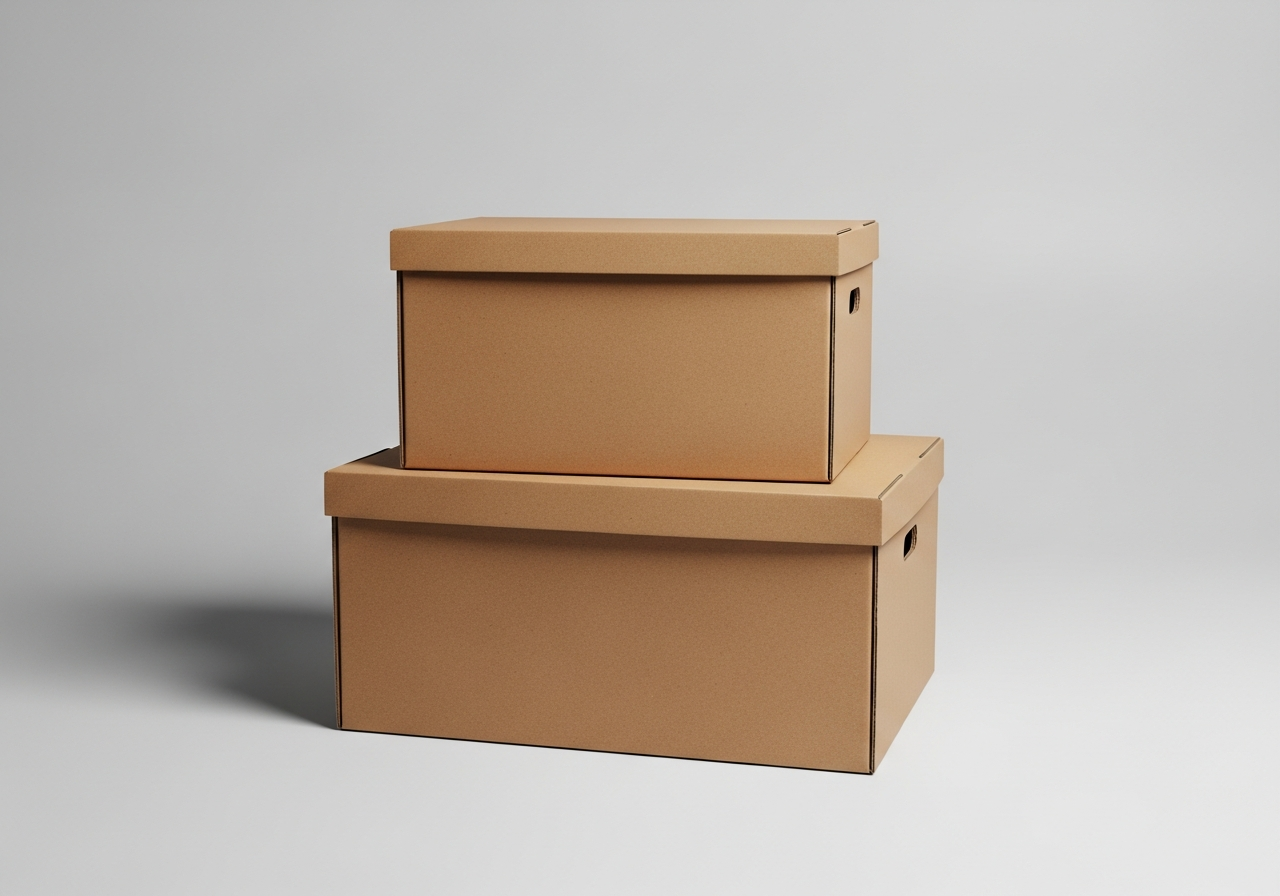
For international household goods and personal effects, we recommend strong double-walled boxes whenever possible.

Best for: Lighter but bulky items — clothing, linens, bedding, towels, toys, pillows, general household items.
Best for: Heavier items — books, kitchen items, dishes, small appliances, documents, tools, and fragile items when packed properly.
Why Double-Walled Boxes Are Better
Double-walled boxes are stronger than standard single-wall boxes. They provide better support during stacking, handling, warehouse storage, and ocean freight movement. International shipments may be handled by several parties, so strong boxes help reduce crushing, tearing, and damage.
Packing Tips for Personal Effects
Simple habits that protect your shipment from origin to delivery.
- Use double-walled boxes for better protection
- Do not overpack boxes until they are too heavy
- Place heavier items at the bottom
- Wrap fragile items individually
- Fill empty spaces to prevent movement
- Use strong packing tape on the bottom and top of every box
- Label every box clearly
- Keep important documents, passports, jewelry, cash, medication, and valuables with you
- Do not pack prohibited or restricted items
- Avoid mixing liquids with clothing or electronics
- Take photos of valuable or fragile items before packing
Number Every Box, Describe Every Box
A clear inventory list is essential for international moving. Customs authorities may request details about what is inside the shipment. Each box should have a number and a short description.
For larger shipments, the inventory should be more detailed — especially if the shipment includes electronics, furniture, artwork, tools, or high-value items.
- Customs clearance
- Shipment organization
- Insurance documentation
- Delivery checking
- Reducing confusion at destination
- Identifying missing or damaged items if needed
| Box # | Description |
|---|---|
| Box 1 | Clothing and shoes |
| Box 2 | Kitchen items |
| Box 3 | Books and documents |
| Box 4 | Children's toys |
| Box 5 | Bedding and towels |
| Box 6 | Dishes and glassware |
Avoid vague descriptions
Do not write "miscellaneous" or "stuff" on the inventory. Use simple but clear descriptions — customs officers and destination agents need to understand what is being shipped. Vague descriptions are a leading cause of customs delays.
Important Note
Keep important documents, passports, jewelry, cash, medication, and valuables with you — never in the shipping container. If you are unsure whether an item is restricted at destination, check with your moving coordinator before packing it.
Need help packing for your international move?
Tell us your origin, destination, and approximate volume. We'll help you understand the right packing approach, materials, and timing for your move.